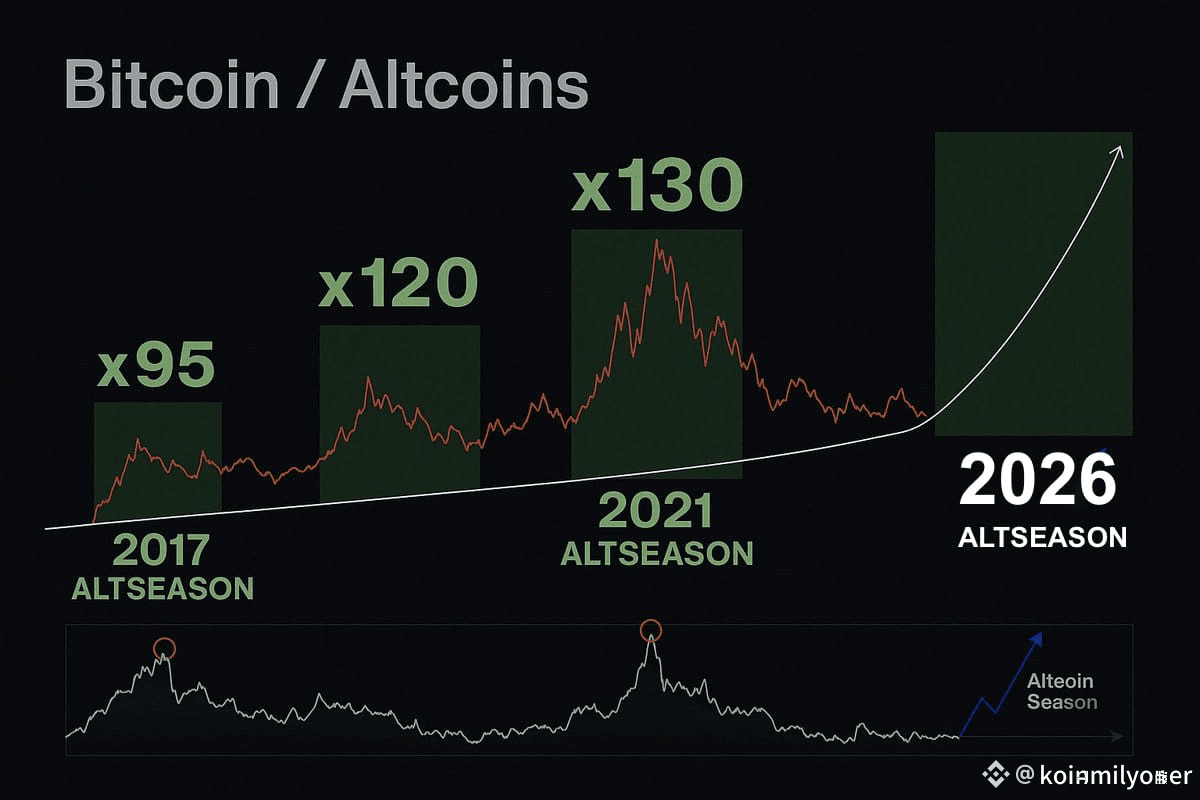
Crypto investing in 2027 calls for a portfolio built around your time horizon, risk capacity, and evidence of real use. For Crypto Investing in 2027, anchor your plan in liquid, established assets and size every higher-risk position so a sharp loss will not derail your financial goals.

As you plan for 2027, treat price forecasts as possibilities, not reliable outcomes. Crypto prices can move sharply, and a promising network or popular token can still lose value through weak demand, supply changes, security failures, or regulatory shifts.
How Can You Build a Crypto Portfolio for 2027?
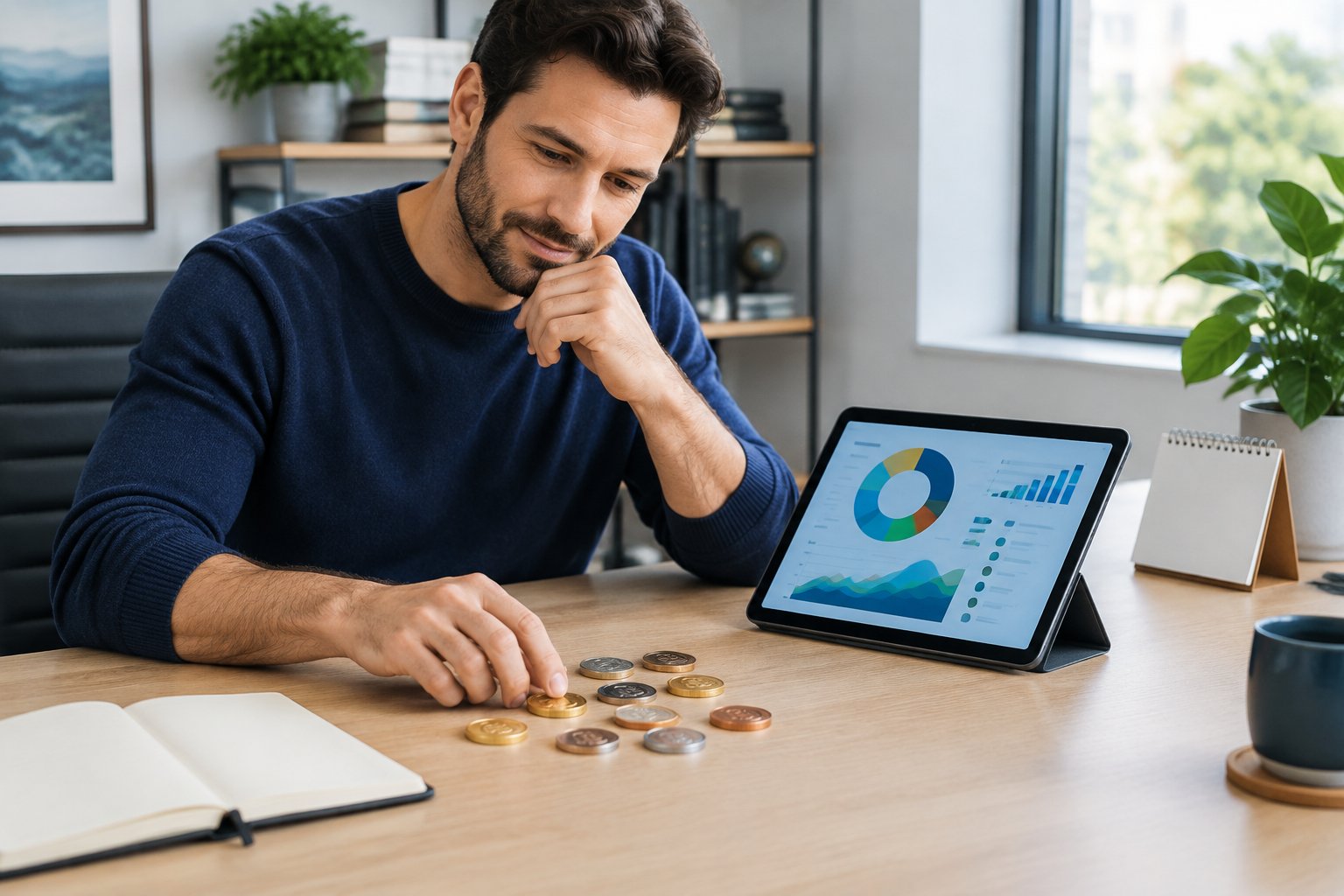
You can build a more resilient crypto portfolio by deciding how much volatility you can absorb before choosing assets. Keep the core tied to your long-term thesis, and place smaller limits on speculative positions.
Set an Investment Horizon and Risk Budget
Set your holding period and maximum tolerable loss before you buy. Money you need for near-term expenses belongs outside volatile crypto markets, since a forced sale during a downturn can lock in losses.
Decide what portion of your investable assets you are willing to expose to crypto, then set a separate cap for any one token or theme. Your budget should account for the possibility that a token becomes difficult to sell or loses most of its value.
Write down the conditions that would make you reduce or exit a position. Examples include a security incident, falling network activity, a major change to token supply, or a shift in your financial needs. Review those conditions on a schedule, not only after a dramatic price move.
Balance Core Holdings With Higher-Risk Bets
Use core holdings for assets that fit your long-term thesis and satellite positions for narrower, higher-risk ideas. Bitcoin and Ethereum are common starting points for a core because they have established markets and broad recognition, while smaller tokens can bring greater exposure to individual network or community outcomes.
Set position limits before researching a speculative token. If its price rises quickly, a written cap gives you a rule for rebalancing; if it falls, your original risk budget helps prevent an emotional decision from becoming an oversized loss.
Rebalancing also gives you a way to respond when one asset grows to dominate your portfolio. Choose a calendar schedule or a predetermined allocation range, then record trades and the reason for each one.
Which Crypto Trends Could Shape 2027?
Institutional access, tokenized assets, stablecoins, and blockchain applications tied to AI could influence crypto demand in 2027. You can assess each trend by looking for sustained usage, credible infrastructure, and a clear link between activity and the token you might hold.
How Could Crypto ETFs Affect Bitcoin and Altcoins?
Crypto ETFs can make exposure easier to access through a brokerage account, while their trading activity may add another channel for market demand. A fund’s performance still reflects the assets and structure it tracks, including fees and any gap between fund shares and the underlying market.
For you, an ETF and a directly held token serve different purposes. An ETF can simplify brokerage-based exposure; direct ownership gives you control over the asset and responsibility for wallet security, transactions, and custody decisions.
Bitcoin and ether products have brought the ETF model into the U.S. crypto market. Further products tied to other assets could broaden access, though approval, fund structure, and investor demand remain uncertain. Track actual fund flows and disclosures instead of treating a proposed product as a guaranteed source of buying pressure.
Blockchain Trends: AI, Tokenization, and Stablecoins
AI-related crypto projects range from decentralized computing marketplaces to tokens tied to data or automated services. Check whether a project has paying users, verifiable network activity, and a token role that connects to its service; an AI label alone says little about demand.
Tokenization brings financial or real-world assets onto blockchain-based systems. Federated Hermes and Prometheum plan a Q1 2027 tokenized fund debut, with distribution, custody, and clearing through U.S. broker-dealers. For any tokenized product, examine the legal rights attached to the token and who controls the underlying asset.
Stablecoins aim to maintain a relatively stable value, often through reserves or other mechanisms. You can assess their reserve disclosures, redemption terms, issuer arrangements, and the blockchain networks where they circulate. Stablecoin growth can support payments and trading activity, though it does not automatically translate into value for every network token.
Which Layer 1 and Layer 2 Projects Should You Compare?
Compare networks by their role, developer and user activity, security model, and the way their tokens capture value. Ethereum’s scaling ecosystem, Solana, and Sui offer different network designs and risk exposures, so a name or fee claim alone will not establish a strong investment case.
Ethereum and Its Layer 2 Ecosystem
Ethereum is a Layer 1 network, while Layer 2 systems process activity on separate networks that connect back to Ethereum. The design aims to expand capacity and lower transaction costs for users while relying on the base chain for aspects of security. Layer 1 and Layer 2 scaling approaches differ in how they handle execution, settlement, and security.
If you compare an Ethereum Layer 2 token with ETH, examine what the token does and whether network use creates demand for it. A busy Layer 2 does not guarantee that its token captures value; fees, incentives, governance rights, and supply schedules all affect that connection.
Review the bridge and withdrawal process, the network’s security arrangements, and the applications people use there. Your comparison should include how activity is measured and whether incentives account for a large share of it.
Solana, Sui, and Other Layer 1 Networks
Solana and Sui are Layer 1 networks, each with its own execution environment, ecosystem, and token economics. A Layer 1 comparison should examine the network’s ability to attract users and developers while maintaining reliable operation and a credible security model.
| Criteria | Ethereum and Layer 2s | Solana | Sui |
|---|---|---|---|
| Network role | Base chain plus scaling networks | Layer 1 | Layer 1 |
| Main comparison focus | Activity across multiple layers | Activity and ecosystem growth | Activity and ecosystem growth |
| Token diligence | ETH and individual L2 token roles | SOL utility and supply | SUI utility and supply |
For each network, check transaction activity, fees, developer tools, application concentration, and token emissions. Also review prior outages or security incidents and how the team or community responded. Compare those observations with market valuation, since a strong technical story can already be reflected in a token’s price.
Which Meme Coins Are Worth Watching?
Treat meme coins as speculative research candidates, with position sizes that reflect their high volatility and reliance on community attention. The ten names below give you a starting watchlist, not a prediction of performance or an endorsement.
Ten Meme Coins to Research for 2027
You can research Dogecoin (DOGE), Shiba Inu (SHIB), Pepe (PEPE), dogwifhat (WIF), and Bonk (BONK) as established names in the meme-token category. Their market behavior can still shift quickly with social interest, trading activity, and broader crypto conditions.
Other candidates to examine include Floki (FLOKI), Brett (BRETT), Popcat (POPCAT), Official Trump (TRUMP), and Toshi (TOSHI). Confirm the exact token and contract before trading, since similar names and imitations can create confusion.
A meme-token market page lists prices, market capitalization, trading volume, and daily price changes. Use current market data to verify a token’s liquidity and activity before you make a decision, then check the project’s own disclosures and token supply details.
How to Separate Community Momentum From Hype
Look for participation that persists beyond a brief price spike. Review trading volume across venues, holder concentration, social activity over time, and whether the community remains active during quieter market periods.
Check the token contract and chain, liquidity depth, ownership or control arrangements, and any announced supply changes. Treat promotional claims, celebrity attention, and fast-growing social counts as signals to investigate, not proof of durable demand.
Set a maximum position size in advance and define what would prompt you to exit. Meme-coin prices can move sharply in both directions, and thin liquidity can make a planned sale difficult to execute at the displayed price.
How Should You Assess Forecasts and Manage Risk?
Use forecasts to map possible outcomes, then base your decisions on observable evidence and a risk plan. A price target alone cannot account for market conditions, token supply changes, regulation, or project execution.
Read Price Targets as Scenarios, Not Promises
A forecast is a model built on assumptions about adoption, market demand, and broader conditions. Treat a target as a scenario: identify the assumptions behind it, the time period it covers, and what evidence would weaken the case.
Check whether a forecast explains its method and considers both adverse and favorable conditions. A precise number can look authoritative while remaining highly sensitive to small changes in assumptions.
Use forecasts to frame questions, not to set a guaranteed return expectation. Compare the forecast’s logic with on-chain activity, product use, liquidity, and token economics before changing your portfolio.
Check Adoption, Liquidity, Token Supply, and Regulation
Start with adoption indicators that match the project’s purpose. For a payment network, that could include payment activity; for a smart-contract platform, you can examine application use, transactions, and developer participation. Metrics need context because incentives or automated activity can inflate headline totals.
Review liquidity across the venues where you expect to trade, along with holder concentration and scheduled token unlocks. A large market capitalization does not ensure that you can sell a position quickly at a fair price.
For U.S. exposure, keep records of purchases, sales, swaps, and other taxable events, and monitor regulatory developments that could affect exchanges, custody, or a token’s market access. Revisit your thesis when the underlying facts change, and keep your position size within the risk budget you set.
Let Evidence Guide Your 2027 Crypto Exposure
Build your 2027 crypto exposure around a risk budget, a clearly defined core, and smaller limits for speculative assets. Compare networks and tokens through adoption, liquidity, supply, security, and regulation, then use forecasts only to test possible scenarios.
Write down your allocation rules and review them on a set schedule. If the evidence behind a position changes, reassess its size against your original plan before committing more capital.